
Plotter or panster
Who's got it right?

On the continuum of plotter to pantser, I’m definitely on the pantser end. When I started my debut novel a few years ago, I had absolutely no clue where it was headed. I hadn’t read any books on structure, so I just dove right in, blissfully naive. Looking back, that’s probably why it took me an age to finish and why I went through so many iterations before it was finally ready to submit. Since then, I’ve become a bit obsessed with learning how successful authors craft their stories—podcasts have become my guilty pleasure. I’ve listened to literally hundreds on writing and was relieved to discover that many of my heroes are pantsers too—Liane Moriarty, Lisa Jewell—to name a couple. Neither of them start with an Excel spreadsheet or a stack of index cards with chapter summaries. They just write, figuring it out as they go. They might have a general idea of the ending, but even that often changes. So, if it’s good enough for them, it’s good enough for me. No?
For book two, I decided to try a different tack. I started with the dreaded synopsis (which is actually worse than writing a full book!), then basically ignored it. It ended up deviating from it quite a bit. Now, as I’m halfway through book three, I feel like I’ve found a method that might work better for me. I plot out two to three chapters ahead, giving each a one-sentence summary. This doesn’t feel too fixed or final, so it gives me the opportunity to deviate if I need to.
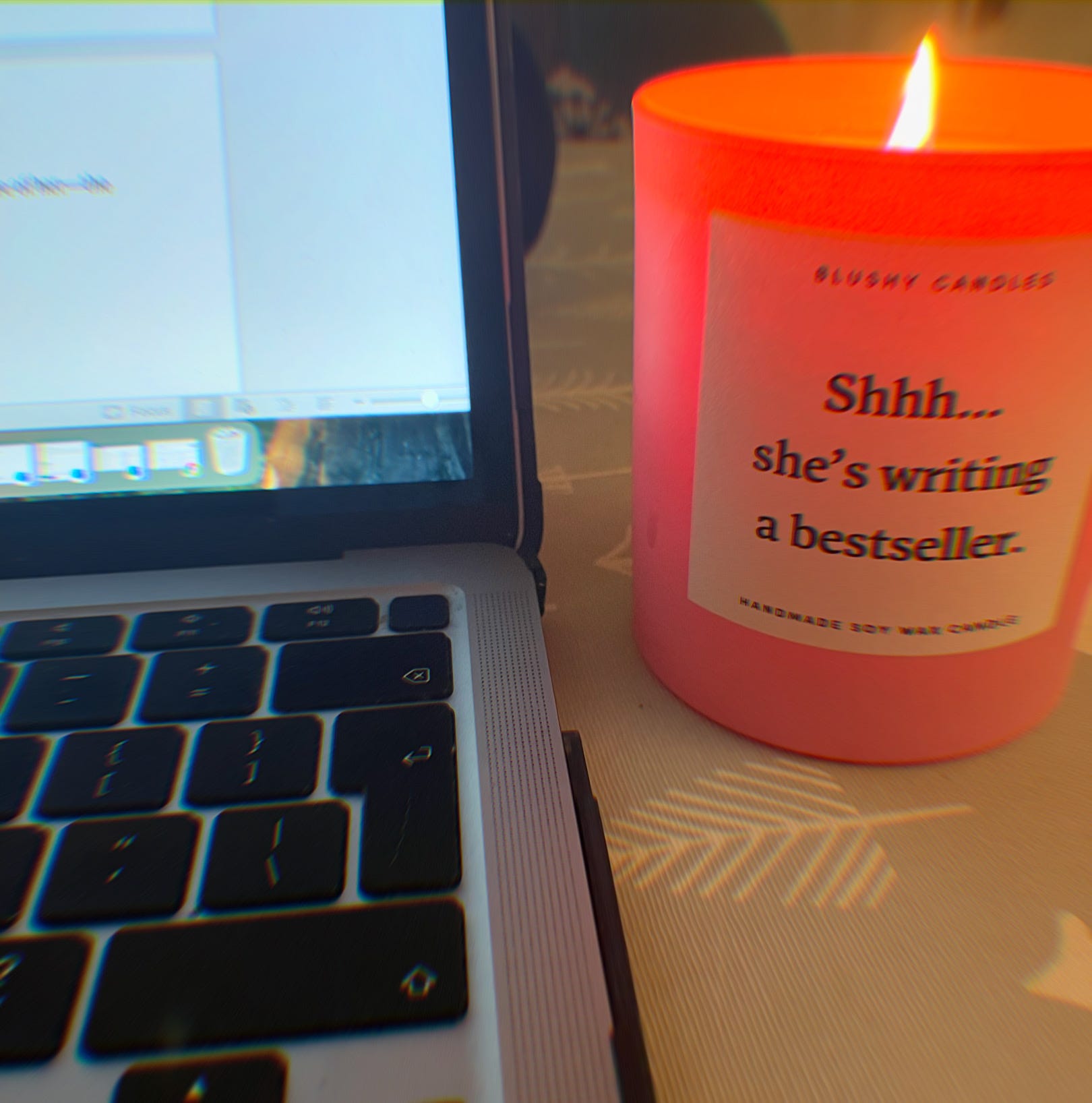
Then, after I’ve finished drafting a chapter, I think through the next one in my head while I’m doing menial day-to-day things—walking, swimming, driving the kids around—anything that takes me away from my laptop. I picture the scene like a film or TV show, playing it out in my mind until I figure out how to approach it. Then, I write that chapter as quickly as I can, document it in Sheets, and move on to the next. This way, I’m plotting as I go, but I still leave room for pantsing if my mind wants to go off in a random direction—which, more often than not, happens! As this book is quite complicated with a large cast of characters, hopefully, this means I won’t lose track of their storylines either.
Will it make for a better first draft? Who knows, but it feels like it’s working so far. Here’s hoping!
What the podcasts have taught me is that there is no right or wrong method for writing a book. Some authors write drafts, then, God forbid, throw the entire thing away and start anew. Imagine. Some follow prescriptive structures like Save the Cat, while, for me, the detailed beats sent me over the edge. It’s about finding what works best for you and maybe tweaking it as you go into new projects. Following your instincts rather than looking over your shoulder at what others are doing. Focusing on the end goal: to have a publishable manuscript you’re happy with.
I’ll report back when I get to the end of this one …
How do you write your novels?
Sooo interesting. As you know, 100% pantser over here! Although I will retrospectively plot via a spreadsheet when editing (and then never look at that spreadsheet again!) hehe.